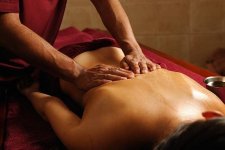
Building a stable and responsive body begins with awareness of movement and tension patterns developed during daily life. In the middle of this awareness process,
Pilates supports controlled engagement while Massage encourages sensory relaxation, helping the body recognize imbalance early. This combined focus allows movements to become intentional rather than reactive. Awareness improves coordination and posture naturally. Over time, the body responds with improved efficiency and comfort during routine activities.
Postural Stability and Control
Posture reflects how effectively muscles support the skeletal framework throughout the day. In the middle of posture refinement, Pilates strengthens deep stabilizers while Massage assists in releasing tension that disrupts alignment. Poor posture often forms unnoticed through repetitive habits. Improving control reduces unnecessary muscular effort. Stable posture supports endurance and helps daily tasks feel less physically demanding.
Movement Quality and Precision
Efficient movement relies on precision rather than force. In the middle of refining movement quality, Pilates emphasizes controlled transitions while Massage softens restrictive tissues that limit smooth motion. Precise movement conserves energy and protects joints from overload. As coordination improves, movements feel lighter and more fluid. This precision supports long-term physical resilience.
Stress Regulation and Physical Ease
Stress frequently manifests in the body as muscle tightness and shallow breathing. In the middle of stress regulation, Pilates encourages focused breathing and mindful motion while Massage promotes relaxation of overworked muscles. Reducing tension restores circulation and flexibility. Physical ease improves as stress decreases. This balance supports both mental clarity and bodily comfort.
Recovery and Adaptability
Recovery allows the body to integrate physical effort and restore balance. In the middle of recovery routines, Pilates supports gentle restoration of movement while
Massage enhances circulation and tissue relaxation. Without recovery, fatigue accumulates and limits progress. Balanced recovery improves adaptability. Consistent recovery habits maintain long-term function.
Conclusion
Sustainable physical balance grows from awareness, control, and restoration. In the middle of a supportive lifestyle, Pilates refines movement efficiency while Massage reinforces relaxation and recovery. Together, they promote resilience, comfort, and lasting physical well-being through mindful daily practice.
