
Most people chase fat loss through diet hacks and intense workouts, but ignore the most powerful recovery tool they have: sleep.
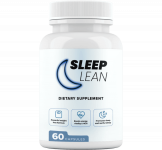
Sleep lean is the idea that quality sleep directly supports fat loss, muscle retention, and better metabolic health. It’s not a gimmick — it’s biology.
When you consistently sleep 7–9 hours, your body regulates the hormones that control hunger and fullness. Poor sleep increases ghrelin (your hunger hormone) and decreases leptin (your fullness signal). Translation? You crave high-calorie food and feel less satisfied when you eat.
Sleep also affects insulin sensitivity. With adequate rest, your body handles carbs more efficiently, sending nutrients into muscle instead of storing them as fat. When you’re sleep-deprived, fat storage becomes more likely — even if your calories are the same.
Recovery is another big factor. Fat loss isn’t just about burning calories; it’s about preserving muscle while reducing body fat. Deep sleep triggers growth hormone release, which supports muscle repair and tissue recovery. Better recovery = better workouts = better long-term results.
And let’s not ignore decision fatigue. When you’re tired, willpower drops. You’re more likely to skip training, order takeout, and reach for sugar. One bad night can snowball into several off-track days.
How to “Sleep Lean”:
• Keep a consistent sleep schedule (yes, weekends too)
• Stop caffeine 6–8 hours before bed
• Dim lights 60 minutes before sleep
• Keep your room cool and dark
• Avoid heavy meals right before bed
• Put your phone away — scrolling steals deep sleep
Think of sleep as metabolic maintenance. Training breaks your body down. Nutrition rebuilds it. Sleep is when the upgrade actually installs.
If fat loss has stalled, don’t just cut calories harder. Try adding an extra hour of sleep first.
Sometimes the most powerful progress happens when you do less — and rest smarter.
Visit Here:- usa-sleepilean.com
Sleep lean is the idea that quality sleep directly supports fat loss, muscle retention, and better metabolic health. It’s not a gimmick — it’s biology.
When you consistently sleep 7–9 hours, your body regulates the hormones that control hunger and fullness. Poor sleep increases ghrelin (your hunger hormone) and decreases leptin (your fullness signal). Translation? You crave high-calorie food and feel less satisfied when you eat.
Sleep also affects insulin sensitivity. With adequate rest, your body handles carbs more efficiently, sending nutrients into muscle instead of storing them as fat. When you’re sleep-deprived, fat storage becomes more likely — even if your calories are the same.
Recovery is another big factor. Fat loss isn’t just about burning calories; it’s about preserving muscle while reducing body fat. Deep sleep triggers growth hormone release, which supports muscle repair and tissue recovery. Better recovery = better workouts = better long-term results.
And let’s not ignore decision fatigue. When you’re tired, willpower drops. You’re more likely to skip training, order takeout, and reach for sugar. One bad night can snowball into several off-track days.
How to “Sleep Lean”:
• Keep a consistent sleep schedule (yes, weekends too)
• Stop caffeine 6–8 hours before bed
• Dim lights 60 minutes before sleep
• Keep your room cool and dark
• Avoid heavy meals right before bed
• Put your phone away — scrolling steals deep sleep
Think of sleep as metabolic maintenance. Training breaks your body down. Nutrition rebuilds it. Sleep is when the upgrade actually installs.
If fat loss has stalled, don’t just cut calories harder. Try adding an extra hour of sleep first.
Sometimes the most powerful progress happens when you do less — and rest smarter.
Visit Here:- usa-sleepilean.com
Attachments
-
 Sleep-Lean.png50.8 KB · Views: 0