
Healthy crops depend on a balanced supply of nutrients, and iron is one of the most critical micronutrients for plant growth. Iron plays a major role in chlorophyll formation, which allows plants to perform photosynthesis and produce energy. When plants lack sufficient iron, they develop a condition known as iron deficiency in plants, which severely affects crop growth, yield, and overall plant vitality.
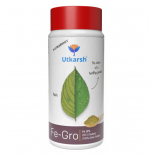
In modern agriculture, farmers and horticulturists often rely on advanced nutrient solutions to correct micronutrient deficiencies. One effective solution is the chelated iron spray, a specially formulated micronutrient treatment that helps plants absorb iron efficiently even in difficult soil conditions.
Companies like Utkarsh Agro have been focusing on innovative plant nutrition solutions to help farmers improve crop productivity and maintain soil health. Understanding how iron deficiency occurs and how chelated iron solutions work can help growers protect crops and achieve consistent agricultural success.
Because of these factors, farmers frequently need specialized nutrient solutions to restore iron availability.
In addition, iron supports:
Many agricultural experts recommend foliar sprays as a quick corrective measure when symptoms of iron deficiency appear in crops.
When used correctly, chelated iron solutions can rapidly reverse deficiency symptoms and restore crop vigor.
Advanced solutions like chelated iron spray provide farmers with an efficient and reliable method to correct iron deficiencies quickly. By improving nutrient availability and absorption, these formulations help plants regain their green color, strengthen growth, and enhance productivity.
With proper nutrient management practices and innovative agricultural solutions, farmers can ensure sustainable crop health and achieve better agricultural outcomes.
In modern agriculture, farmers and horticulturists often rely on advanced nutrient solutions to correct micronutrient deficiencies. One effective solution is the chelated iron spray, a specially formulated micronutrient treatment that helps plants absorb iron efficiently even in difficult soil conditions.
Companies like Utkarsh Agro have been focusing on innovative plant nutrition solutions to help farmers improve crop productivity and maintain soil health. Understanding how iron deficiency occurs and how chelated iron solutions work can help growers protect crops and achieve consistent agricultural success.
What is Iron Deficiency in Plants?
Iron deficiency is a nutritional disorder that occurs when plants cannot absorb enough iron from the soil. Although iron is naturally abundant in many soils, it often becomes chemically unavailable for plants to absorb due to soil pH, nutrient imbalance, or environmental conditions.Symptoms of Iron Deficiency
Identifying the signs of iron deficiency in plants early is essential to prevent crop damage. Common symptoms include:- Yellowing of young leaves while the veins remain green (interveinal chlorosis)
- Pale or white leaves in severe cases
- Slow plant growth and weak development
- Reduced flowering and fruit formation
Causes of Iron Deficiency in Crops
Several factors can contribute to this nutrient imbalance:1. High Soil pH
Alkaline soils (pH above 6.5) reduce iron solubility, making it difficult for plants to absorb the nutrient.2. Nutrient Imbalance
Excess phosphorus, zinc, manganese, or copper in soil can interfere with iron uptake.3. Poor Soil Drainage
Waterlogged soil conditions limit root function and reduce nutrient absorption.4. Soil Composition
Calcareous or lime-rich soils often lock iron into forms that plants cannot utilize.Because of these factors, farmers frequently need specialized nutrient solutions to restore iron availability.
Importance of Iron in Plant Growth
Iron plays a crucial role in plant metabolic processes. It is required for chlorophyll production, enzyme activation, and energy transfer during photosynthesis. Without adequate iron, plants cannot synthesize chlorophyll effectively, resulting in yellow leaves and poor growth.In addition, iron supports:
- Efficient photosynthesis
- Strong root development
- Improved crop yield and quality
- Enhanced resistance to environmental stress
How Chelated Iron Spray Works
A chelated iron spray is a specially formulated micronutrient fertilizer where iron is chemically bound to organic molecules known as chelating agents. These agents protect iron from reacting with other elements in the soil and keep it in a soluble form that plants can absorb easily.Why Chelation Matters
In ordinary conditions, iron quickly reacts with oxygen and other compounds in the soil, becoming insoluble and unavailable to plants. Chelation prevents this reaction and maintains iron availability for plant uptake.Benefits of Using Chelated Iron Spray
Farmers prefer chelated iron spray because it offers several advantages:Rapid Nutrient Absorption
The spray allows plants to absorb iron directly through the leaves, producing faster results compared to traditional soil fertilizers.Improved Chlorophyll Production
By restoring iron levels, plants regain their natural green color and improve photosynthesis.Better Crop Yield
Healthy nutrient balance supports stronger plant growth and higher agricultural productivity.Effective in Alkaline Soils
Chelated iron remains stable even in high pH soils where regular iron fertilizers often fail.Many agricultural experts recommend foliar sprays as a quick corrective measure when symptoms of iron deficiency appear in crops.
Best Practices for Applying Chelated Iron Spray
For optimal results, farmers should follow certain guidelines when applying chelated iron spray.Correct Timing
Apply the spray during early morning or late afternoon to improve leaf absorption and prevent evaporation.Proper Dosage
Follow recommended dosage levels depending on crop type, soil condition, and severity of deficiency.Repeat Application if Needed
In severe cases, multiple applications may be required to fully correct nutrient deficiency.Combine with Balanced Nutrition
Using iron sprays along with other micronutrients ensures complete plant nutrition and long-term soil health.When used correctly, chelated iron solutions can rapidly reverse deficiency symptoms and restore crop vigor.
Conclusion
Micronutrient management plays a crucial role in modern agriculture, and addressing iron deficiency in plants is essential for maintaining healthy crops and maximizing yield. Iron is vital for chlorophyll formation, photosynthesis, and overall plant development, making it one of the most important nutrients in plant nutrition.Advanced solutions like chelated iron spray provide farmers with an efficient and reliable method to correct iron deficiencies quickly. By improving nutrient availability and absorption, these formulations help plants regain their green color, strengthen growth, and enhance productivity.
With proper nutrient management practices and innovative agricultural solutions, farmers can ensure sustainable crop health and achieve better agricultural outcomes.
Attachments
-
 Screenshot 2026-03-08 000034.png57.5 KB · Views: 0